Most of the country is winding down its garden in the fall. Florida is just getting started.
If you’ve tried to grow vegetables in a Florida summer, you already know why. The heat, the daily storms and the bugs make it tough on almost everything. But from fall through spring, the weather turns friendly, and that’s when Florida gardens really produce. As UF/IFAS Extension puts it, fall is the start of the state’s main growing season.
And you don’t need a yard. Some of the easiest Florida gardens are just a few pots on a balcony, porch or patio.
Why pots work so well in Florida
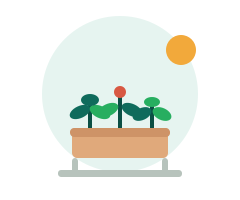
A lot of Florida soil is sandy. Water runs straight through it and takes the nutrients with it. Containers skip that problem entirely. You fill them with good potting mix and a bit of compost, and your plants get rich soil from day one.
Pots also let you move plants when you need to: under cover during a downpour, into afternoon shade on a hot day, or inside on the rare cold night.
When to plant: dates by region
UF/IFAS Extension gives target dates based on Central Florida, with the north planting about two weeks earlier and the south about two weeks later.
| Region | Warm-season crops | Cool-season crops |
|---|---|---|
| North Florida | Around September 1 | Around October 1 |
| Central Florida | Around September 15 | Around October 15 |
| South Florida | Around October 1 | Around November 1 |
Warm-season crops include tomatoes, peppers, eggplant, bush beans, cucumbers and squash. Cool-season crops include lettuce, kale, collards, spinach, bok choy, Swiss chard, beets, carrots and broccoli.
Missed the warm-season window? No problem. The cool-season crops are some of the easiest to grow in pots anyway.
The best vegetables and herbs for Florida containers
Easy wins
- Lettuce: fast and happy in a window box. Pick the outer leaves and it keeps producing for weeks.
- Kale and collards: tough, productive, and they love Florida’s cool months. Collards are a Southern classic for good reason.
- Radishes: from seed to harvest in about a month.
- Bush beans: compact and don’t need a trellis.
Worth a little more effort
- Cherry tomatoes: much more forgiving than big slicing tomatoes. Plant young transplants, not seeds, this late in the season. Our tomato care guide covers watering and feeding.
- Peppers: they handle the warmth of early fall well and keep producing into winter in the south.
- Strawberries: in Florida they’re planted in the fall as young transplants, not in spring like up north.
Herbs
- Cilantro: it bolts almost instantly in Florida summers, but fall and winter are perfect. Here’s how to grow cilantro without it bolting.
- Parsley and dill: both love the cool season.
- Basil: still good through fall in Central and South Florida.
How big should your pots be?
| Plant | Minimum pot size |
|---|---|
| Tomatoes | 5 gallons (about 19 liters) |
| Peppers, eggplant | 3 to 5 gallons |
| Kale, collards | 2 to 3 gallons |
| Lettuce, spinach | A window box or pot 6 to 8 inches (15 to 20 cm) deep |
| Radishes | 6 inches (15 cm) deep |
| Herbs | 1 gallon |
Bigger pots dry out more slowly, which matters a lot in Florida. Every pot needs a drainage hole. For more on setting up containers, see our balcony vegetable garden guide.
Florida-specific tips
Early fall is still hot
September and early October can still feel like summer. Give lettuce and cilantro some afternoon shade until the weather cools off, and check pots daily. Small containers can dry out in a single hot afternoon.
Heavy rain
Fall storms can drown plants in pots. Make sure water drains freely, and don’t put saucers under pots that sit out in the rain. If a big storm is on the way, move smaller pots under cover.
Caterpillars on your greens
Kale, collards and broccoli attract caterpillars. Check the undersides of leaves every few days and pick them off by hand. For bigger problems, Bt (Bacillus thuringiensis) is an organic option that targets caterpillars.
The occasional cold snap
North and Central Florida sometimes get a freezing night in December or January. That’s when pots really pay off. Just move them into a garage or indoors overnight.
Feed it the organic way
Container plants use up nutrients faster than plants in the ground. Mix compost into your potting mix when you plant, and add a slow-release organic fertilizer. Top up with a little more compost every month or so. No compost yet? Here’s how to compost at home, even without a yard.
Your fall game plan
- Late September to early October: set up pots, and plant warm-season crops if you’re in South Florida.
- October: plant lettuce, kale, collards, radishes, cilantro and parsley (start of October in the north, mid-month in Central Florida).
- November: South Florida’s cool-season window opens. Keep sowing lettuce and radishes every few weeks for a steady harvest.
- December to February: harvest, and be ready to shelter pots on cold nights.
Not in Florida? Here’s what to plant in October for every other part of the country.
Want a simple daily plan for your plants? UrbanLeaf gives you one easy organic task a day, with watering advice based on your local Florida weather, so you know when rain has done the job for you and when your pots need a drink. 🌱